
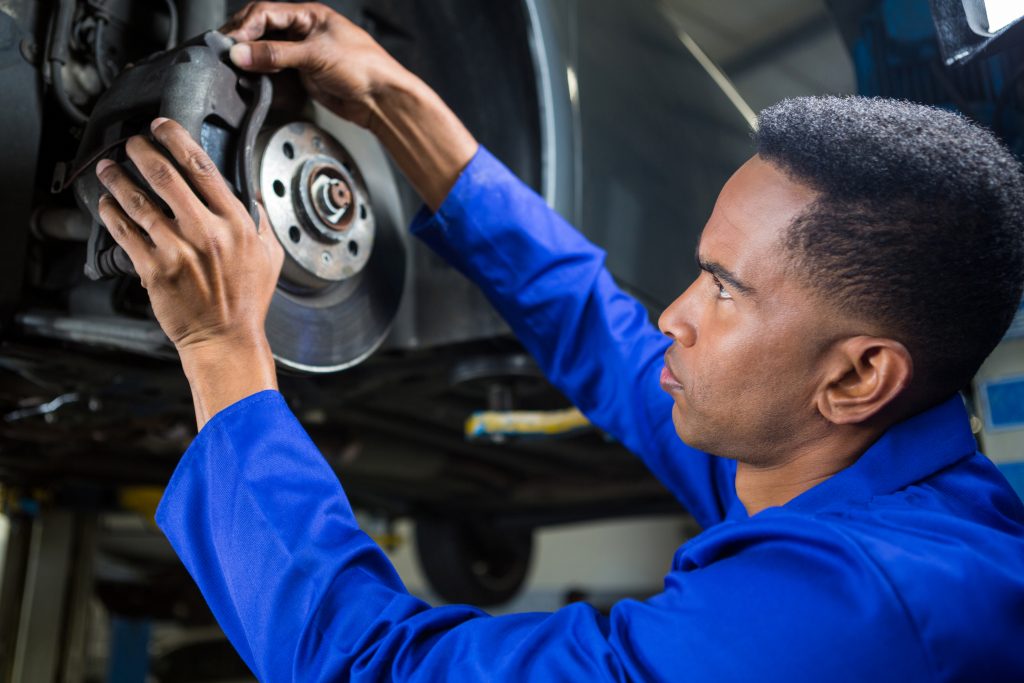
Hearing a whining noise while driving can be concerning for any vehicle owner. The sound may occur when accelerating, turning, or maintaining speed on the road. While some noises may seem minor at first, a whining sound often indicates that a mechanical component is worn, low on fluid, or beginning to fail.
For drivers in Boise, Idaho, identifying the cause of unusual vehicle noises early can help prevent larger mechanical problems and avoid unexpected breakdowns. Understanding the most common reasons your car may produce a whining noise while driving can help determine when it is time to schedule a professional inspection.
Why Unusual Noises Should Not Be Ignored
Vehicles rely on many moving components that operate together to deliver smooth performance. When parts wear out, become misaligned, or lose lubrication, they may produce unusual sounds. A whining noise is often caused by friction between components or by parts that are not receiving adequate lubrication.
Ignoring these sounds can allow small issues to develop into larger mechanical failures, potentially leading to costly repairs or unsafe driving conditions.
Common Reasons Your Car Makes a Whining Noise While Driving
Several vehicle systems can produce a whining sound. Determining the source of the noise usually requires inspection, but certain problems are more common than others.
Low Power Steering Fluid
Power steering systems use hydraulic fluid to assist with steering. When the fluid level becomes low, the system may struggle to maintain proper pressure. This can cause a whining or groaning sound when turning the steering wheel.
Drivers may notice:
- Difficulty steering
- Whining noise while turning
- Steering wheel vibrations
Low power steering fluid may indicate a leak within the system that should be inspected.
Transmission Problems
Automatic transmissions rely on transmission fluid to lubricate internal components and allow smooth gear changes. When the fluid level becomes low or the fluid begins to break down, the transmission may produce a whining sound during acceleration.
Transmission-related whining may occur when:
- Accelerating
- Shifting gears
- Driving at higher speeds
Transmission problems should be diagnosed early to prevent internal damage.
Worn Wheel Bearings
Wheel bearings allow the wheels to rotate smoothly while supporting the vehicle’s weight. As these components wear out, they may begin producing a high-pitched whining or humming sound.
Wheel bearing noise often becomes louder as the vehicle’s speed increases. Drivers may also notice vibrations or uneven tire wear.
Replacing worn wheel bearings can restore smooth wheel operation and eliminate the noise.
Failing Alternator
The alternator generates electrical power and recharges the vehicle battery while the engine runs. When alternator bearings begin to wear, they may produce a whining sound from the engine area.
Signs of alternator issues may include:
- Electrical system problems
- Dim headlights
- Battery warning light appearing on the dashboard
A failing alternator should be inspected quickly to prevent electrical system failure.
Differential or Drivetrain Issues
In rear-wheel drive and all-wheel drive vehicles, the differential helps transfer power from the engine to the wheels. If the differential fluid becomes low or contaminated, internal gears may begin to produce a whining noise while driving.
Drivers may notice the noise becoming louder during acceleration or when driving at certain speeds.
Proper lubrication and maintenance of drivetrain components are essential for smooth vehicle operation.
Imagine driving through Boise during your daily commute when you begin to hear a faint whining sound coming from the front of the vehicle. At first, the noise may only occur when accelerating onto the highway.
Over time, the sound may grow louder as the underlying problem worsens. For example, if the noise is caused by worn wheel bearings or low transmission fluid, continued driving could eventually lead to more serious mechanical damage.
Addressing the issue early can help prevent more costly repairs later.
Warning Signs That Require Inspection
Drivers should schedule a vehicle inspection if they notice any of the following symptoms:
- Whining or humming noises while driving
- Noise increasing with vehicle speed
- Steering difficulty or vibration
- Delayed gear shifts
- Dashboard warning lights
These symptoms often indicate mechanical problems that should be diagnosed by a professional.
How a Mobile Mechanic in Boise, ID
Vehicle noise problems can be difficult to diagnose without proper inspection. A mobile mechanic provides a convenient solution by diagnosing and repairing many vehicle issues directly at your location.
Mobile mechanic services in Boise, ID may include:
- Engine diagnostics
- Transmission inspections
- Power steering system checks
- Alternator testing
- Wheel bearing inspections
- Drivetrain diagnostics
This allows drivers to address unusual vehicle noises without the inconvenience of visiting a repair shop.
Preventive Maintenance Tips to Avoid Whining Noises
Routine maintenance can help prevent many of the issues that cause whining noises in vehicles.
Helpful maintenance practices include:
- Checking fluid levels regularly
- Replacing transmission and differential fluids when recommended
- Inspecting steering components for leaks
- Maintaining proper tire alignment and rotation
- Scheduling routine vehicle inspections
Preventive maintenance helps ensure that vehicle systems continue operating smoothly.
If your car makes a whining noise while driving, it may indicate problems with the power steering system, transmission, wheel bearings, alternator, or drivetrain components. While some causes may be minor maintenance issues, others can lead to serious mechanical problems if ignored.
Drivers experiencing unusual vehicle noises should consider scheduling an inspection to identify the source of the problem.
A mobile mechanic in Boise, ID can diagnose the issue and perform many repairs directly at your location, helping restore quiet and reliable vehicle performance.
Whining noises while driving are often caused by worn bearings, low fluid levels, transmission issues, or steering system problems. Early diagnosis can prevent more serious mechanical damage.
If your vehicle makes a whining noise while driving, scheduling an inspection can help identify the problem before it worsens. A mobile mechanic in Boise, ID can diagnose and repair many mechanical issues at your home or workplace.