
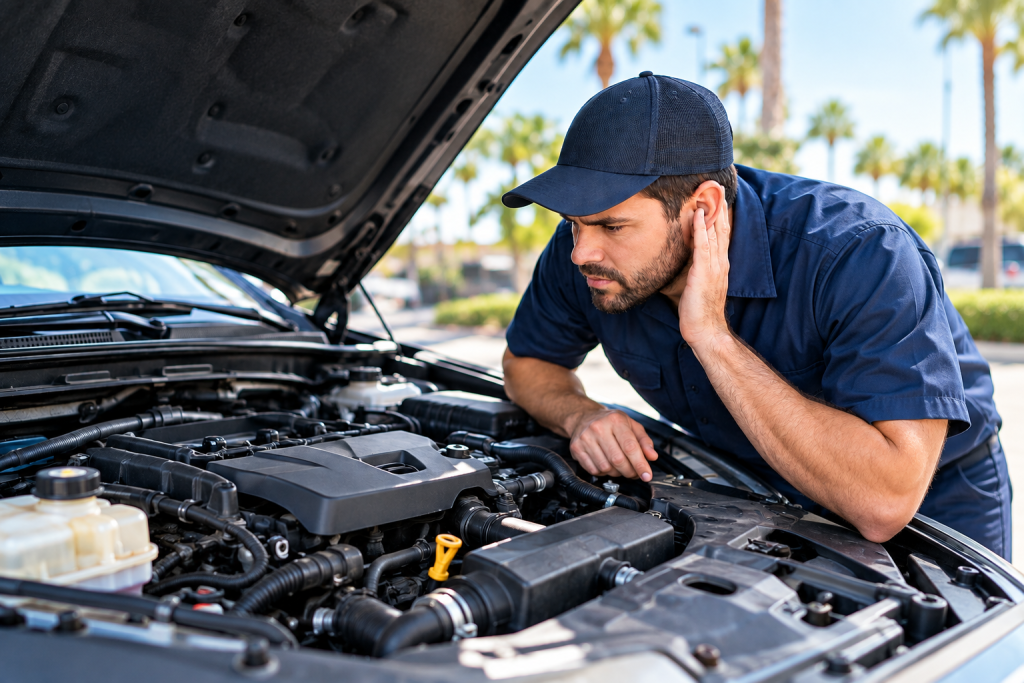
Fall in Boise is a short window between summer heat and the first hard freeze. Mornings turn crisp, daylight shrinks, and one cold snap can arrive earlier than you expect. This is the best time to give your car some attention, because the stresses of winter are about to land on parts that have just spent months in the heat. A fall car maintenance checklist helps you catch weak spots now, while the weather is still easy to work in. This guide covers what to check before Idaho temperatures drop, so your winter car prep in Boise is finished before you need it.
Why Fall Is the Right Time
Summer heat quietly wears down batteries, belts, hoses, and tires. Then cold weather exposes the damage. A battery that barely made it through August can fail on the first freezing morning, and a cracked hose can burst when temperatures swing. Doing the work in fall means repairs happen on your schedule, not at the side of the road in the dark. It is also easier to book service before the rush that follows the first snowfall.
Idaho weather can swing widely in a single day, and those swings put extra strain on a vehicle. Our article on preparing your car for Idaho’s temperature swings explains why changes between warm afternoons and freezing nights are so hard on cars.
1. Test the Battery
Batteries lose strength as temperatures fall, and the engine needs more power to turn over in the cold. If your battery is three or more years old, a load test now is a smart move. Look for slow cranking, dim lights, or corrosion on the terminals, which looks like white or blue crust. Clean terminals and tight connections make a real difference. If your car already struggles to start, our guide to the top 10 reasons your car won’t start and how to get back on the road covers the most common causes.
2. Inspect the Tires
Your tires are your only contact with the road, and they matter even more on cold, wet, or icy pavement. Check the following:
- Tread depth, using a gauge or the penny test, since shallow tread struggles in rain, slush, and snow
- Tire pressure, which drops as the air cools, so check it regularly and set it to the number on the door jamb sticker
- Sidewalls for cracks, bulges, or cuts
- Uneven wear, which can point to alignment or suspension problems
- The spare tire, so it is ready if you need it
If you drive in snow often, consider winter tires or tires rated for severe snow service. They grip far better in the cold than summer tires or worn all season tires. Rotating tires in fall also helps them wear evenly.
3. Check the Brakes
Longer stopping distances on slick roads mean your brakes need to be in good shape. Have a technician measure the pad thickness, inspect rotors for rust or grooves, and look at calipers, lines, and hoses. Listen for squealing or grinding, and notice if the pedal feels soft or the car pulls to one side. Old brake fluid absorbs moisture and can reduce performance, so ask about a fluid test as well.
4. Look at Fluids
- Engine oil, using the viscosity your owner’s manual recommends for cold weather
- Coolant or antifreeze, tested for proper strength so it protects against freezing and overheating
- Windshield washer fluid rated for freezing temperatures
- Brake fluid and power steering fluid levels
- Transmission fluid, if your vehicle allows checking it
Coolant is especially important. A weak mixture can freeze and crack engine parts, which leads to expensive repairs. A quick test tells you whether it needs to be changed.
5. Replace Wipers and Check Visibility
Rain, snow, and early darkness make visibility a safety issue. Wiper blades that streak or chatter should be replaced, and winter blades are built to resist ice. Make sure the washer spray works and the nozzles are not clogged. Test all exterior lights, including headlights, brake lights, turn signals, and fog lights. Check that the defroster and rear defogger clear the glass quickly. Clean the inside of the windshield too, since haze builds up and causes glare in low sun.
6. Inspect Belts and Hoses
Heat from summer hardens rubber, and cold makes it more brittle. Look for cracks, fraying, glazing, or soft spots on belts and hoses. A squealing belt on cold starts is a warning sign. A hose that fails can lose coolant quickly, and a snapped belt can disable the alternator, the water pump, and power steering all at once. Replacing worn parts now costs far less than a breakdown later.
7. Test the Heater and Defroster
A working heater keeps you comfortable, and it also clears fog and frost from the glass. Turn on the heat now to make sure it warms up properly and that air comes from the right vents. Weak heat, a sweet smell, or fogging inside the windows can point to a coolant or heater core problem that is better handled before temperatures drop.
8. Check the Lights, Signals, and Electrical System
Short days mean more driving in the dark. Replace dim or burned out bulbs and clean cloudy headlight lenses if they have yellowed. Check that the alternator keeps the battery charged, since a weak charging system will drain the battery faster in cold weather. A technician can test both during a single visit.
9. Look Underneath for Leaks and Damage
A visual inspection can reveal leaking fluids, damaged exhaust parts, worn suspension components, and rust. Leaks that seem small in summer can worsen quickly when seals harden in the cold. A leaking exhaust is also a safety concern, since fumes can enter the cabin when you idle to warm up the car.
10. Consider a Tune Up
Cold starts put extra demand on spark plugs, filters, and the fuel system. If your car has been hesitating, idling roughly, or using more fuel, a tune up can restore smooth performance before winter. Ask about plugs, air and fuel filters, and a scan for stored trouble codes.
11. Pack an Emergency Kit
Even a well maintained car can get stuck. Keep these items in the trunk:
- Jumper cables or a portable jump starter
- A flashlight with fresh batteries
- A warm blanket, gloves, and a hat
- An ice scraper and a small shovel
- Sand or cat litter for traction
- Water and snacks that will not spoil
- A phone charger and a first aid kit
- Reflective triangles or flares
Keep your fuel tank at least half full as the weather cools. It helps prevent moisture buildup in the tank and gives you a cushion if you get stuck in traffic.
How a Mobile Mechanic Can Help
You do not have to spend a weekend at a shop to get ready for winter. A mobile mechanic can come to your home or workplace and handle many of these checks in a single visit, including battery and charging tests, brake and tire inspection, fluid checks, belt and hose inspection, and wiper replacement. If a repair is needed, many can be done on the spot. Some jobs require a full shop, and a trustworthy technician will tell you honestly when that is the case. When you book, share your vehicle details and any symptoms you have noticed so the technician can prepare.
Get Ready Before the First Freeze
Fall maintenance is simple, affordable, and one of the best ways to avoid a cold weather breakdown. Work through the checklist, fix small problems early, and enter winter with confidence.
To learn more about our services, visit our homepage. When you are ready to schedule your fall inspection, reach out through our contact us page and we will come to you anywhere in the Boise area.