
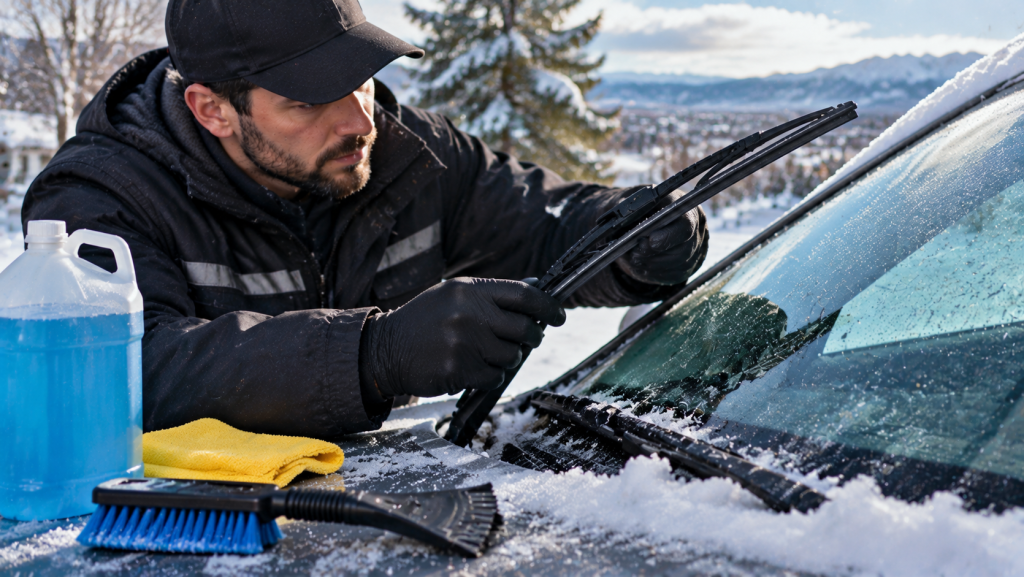
On a snowy or frosty morning in Boise, the first thing you need from your car is a clear view of the road. Wiper blades and washer fluid are simple parts that rarely get attention until they let you down, usually in the middle of a storm or behind a truck spraying slush. Streaky blades, a frozen washer system or fluid that turns to slush in the lines can leave you driving with poor visibility, and that is a real safety problem. The good news is that a little preparation goes a long way. This guide covers how to choose and care for winter wiper blades, what to look for in washer fluid, how to deal with ice and snow and when to ask for help. If you are looking into winter wiper blades in Boise or worried about washer fluid freezing, here is what to know.
Why Visibility Matters So Much in Winter
Winter driving already comes with shorter days, glare from low sun, fog, snow and spray from other vehicles. Your wipers and washer fluid are your main tools for keeping the windshield clear through all of it. Salt and road grime can coat the glass in seconds, and without good blades and fluid, a single pass of the wipers can smear the windshield and make things worse. Clear visibility is something you can control, and it is one of the easiest parts of winter car care to get right.
Wiper Blades: What to Know for Winter
Types of wiper blades
There are a few common designs, and each behaves a little differently in winter conditions.
- Conventional blades have a metal frame with several pressure points. They work in many conditions, but in snow and ice the exposed joints and hinges can pack with ice and stop the blade from pressing evenly against the glass.
- Beam blades have a one piece, flexible design with no external frame. They tend to hold up better when snow and ice build up, since there is less to freeze.
- Winter blades usually have a rubber boot that covers the frame to keep snow and ice from clogging the joints. They are made for cold, snowy weather.
Which one is best depends on your vehicle and budget. Your owner’s manual or a technician can tell you the correct blade size and style for your car, and the length of each blade can be different on the driver and passenger sides.
Signs your wiper blades need replacing
- Streaking. Lines of water left behind after each pass.
- Smearing or hazy patches that blur your view.
- Chattering, skipping or jumping across the glass.
- Squeaking or scraping noises.
- Cracked, split, torn or hardened rubber.
- Bent frames or blades that do not touch the glass evenly.
- Missed spots where the blade does not clear the glass.
Rubber wears with sun, heat, cold and use, and the temperature swings we see around here can speed up the aging. Many drivers replace their blades before winter starts so they have fresh rubber going into the season. Our fall car maintenance checklist is a good place to include this on your list.
Care tips for blades in winter
- Clear snow and ice off the windshield before using the wipers. Running wipers over a frozen or heavily iced windshield can tear the rubber and strain the wiper motor.
- Do not use the wipers to chip ice. Use an ice scraper on the glass instead.
- Check that the blades are not frozen to the glass before turning them on. If they are stuck, free them gently or let the defroster warm the glass first.
- Wipe the rubber edge clean now and then to remove grit and residue.
- Clear snow from around the base of the wipers and the cowl area so the arms can move freely.
- Turn the wipers off before you shut the car down. That way they do not try to move when they are frozen the next time you start it. Check your owner’s manual for specifics on your vehicle.
Washer Fluid: Not Just Water
Plain water is a poor choice in winter. It freezes in the reservoir, lines and nozzles, can crack parts and does little against road film and salt. Washer fluid designed for winter contains ingredients that lower the freezing point and help cut through grime.
What to look for
- A winter rated fluid. Check the label for its freezing protection rating and make sure it suits the coldest temperatures you expect.
- A fluid made for windshields. Do not substitute other liquids, such as engine coolant, household cleaners or dish soap. They can damage paint, rubber and the washer system, or leave streaks.
- Do not dilute it with water if you are counting on freeze protection. Diluting reduces how well it protects.
Switch before the cold arrives
If you filled the reservoir with summer fluid or water, it is wise to switch before the first hard freeze. Fluid left over from warmer months may not protect in cold temperatures, and a frozen line can be hard to fix once it happens. Run the washer a few times after refilling so the new fluid reaches the nozzles and the old fluid clears out of the lines. Our post on preparing your car for Idaho’s temperature swings explains more about getting ready for the big changes in the weather.
How to refill
- Find the washer fluid reservoir under the hood. It usually has a cap marked with a windshield and spray symbol. Your owner’s manual shows the location.
- Wipe the area around the cap so dirt does not fall in.
- Open the cap and pour the fluid in slowly, stopping before it overflows.
- Close the cap firmly.
- Test the washers to confirm the spray works and reaches the glass.
Keep a spare jug of winter fluid in the garage, since you can go through it quickly on slushy, salty days.
Common Winter Washer Problems
- Frozen fluid or lines. If nothing sprays, the fluid or the lines may be frozen. Do not keep running the pump, since that can damage it. Let the car warm up in a safe place, such as a garage, and try again.
- Clogged nozzles. Dirt, ice or debris can block the spray. A technician can clear them with the right tools.
- Weak or uneven spray. This can point to a clog, a leak or a tired pump.
- A leaking reservoir or hose. If the fluid keeps disappearing, there may be a leak.
- A washer pump that does not run. You may hear a faint hum or nothing at all. A blown fuse, a bad pump or a wiring fault could be to blame.
Dealing With Ice and Snow on the Glass
- Use a scraper and a snow brush. Clear the whole windshield, side windows, rear window and mirrors, not just a small patch.
- Use the defroster. Let the car warm up a bit so the glass clears. Do not drive until you can see properly.
- Do not pour hot water on a frozen windshield. The sudden change in temperature can crack the glass.
- Clear snow from the hood and roof. Snow that slides onto your windshield while driving or blows off toward other vehicles is a hazard.
- Clean the inside of the glass. A film on the inside can cause fogging and glare, especially at night.
- Do not forget the rear wiper if your car has one, and the lights, which also need to be clear of snow.
A Quick Winter Visibility Checklist
- Replace worn wiper blades before winter.
- Consider blades designed for snow and ice.
- Fill the reservoir with winter rated washer fluid.
- Test the sprayers and aim.
- Keep a spare jug of fluid on hand.
- Carry a scraper and snow brush.
- Clear all the glass, mirrors and lights before you drive.
- Check that the defroster works.
How a Mobile Mechanic Can Help
Wiper blades and washer fluid are simple, but it is easy to put them off. A mobile mechanic can come to your home or workplace, replace worn wiper blades, fill the washer reservoir with the right fluid, test the sprayers and check the lights and defroster while they are there. If the washer pump, wiper motor or linkage is not working, they can start to diagnose the issue. Some problems, such as a failed wiper motor or an electrical fault, may need more time or a shop with specialized equipment, and a good technician will tell you honestly what can be done at your location.
Clear glass keeps you safer all winter. If you would like help getting ready, visit the Mobile Mechanic Pros of Boise homepage to learn more, or contact us to schedule a visit.